AI sell-off hits Asia: Kospi drops over 4% as Bessent demands answers from Nvidia
Asian stock markets fell on Monday, 23 November 2026, as last week's AI-driven rout on Wall Street spread. Seoul's Kospi dropped more than 4%, led by SK hynix and Samsung, after Nvidia plunged 14% on Friday. On Sunday, US Treasury Secretary Scott Bessent said Washington wants answers from Nvidia on its chip sales to China and on who was in charge of compliance.
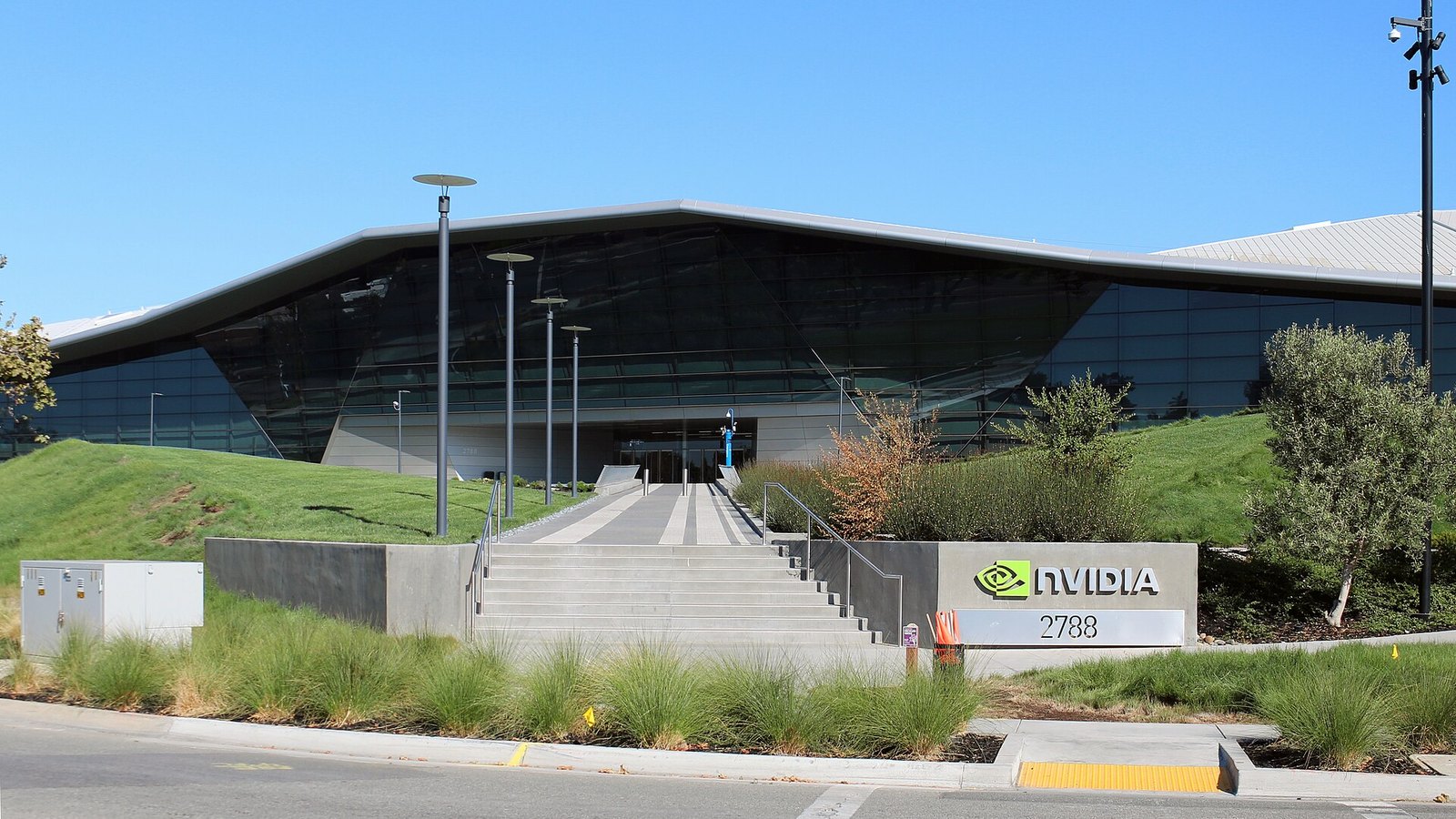
The sell-off in artificial intelligence stocks that battered Wall Street last week spread to Asia on Monday, 23 November 2026. Seoul's Kospi fell more than 4% in early trading, with chip giants SK hynix and Samsung Electronics each down about 4%, while Hong Kong, Shanghai, Sydney, Singapore and Jakarta were all in the red. According to AFP's market snapshot at around 02:30 GMT, the Kospi was down 4.4% at 4,658.16, the Hang Seng was down 1.3% and the Shanghai Composite 1.4%. Tokyo was closed for the Labour Thanksgiving holiday.
The trigger is in New York. On Friday, Nvidia shares plunged 14% in a single session and helped drag the Nasdaq into negative territory for the year. The index has lost almost a fifth of its value since hitting a record high only last month, despite strong Nvidia earnings and the blockbuster stock market debut of Anthropic. The Dow Jones lost 1.9% on Friday to 48,147.33, and the VIX volatility index, often called Wall Street's fear gauge, rose to its highest level since April 2025, when President Donald Trump unveiled sweeping tariffs.
Over the weekend, Washington added pressure on Nvidia rather than relief. Treasury Secretary Scott Bessent told CBS's "Face the Nation" on Sunday that the US is seeking answers from the company about its chip sales to China and wants to know who was in charge of compliance. "We do need answers. It behooves Nvidia to move quickly on this because we want to know what the culture was," he said, according to Reuters. "We will see which level of the business knew about this. Was it at the lower levels? Was it at the middle level? Did it go all the way to the top?"
The questions follow the resignation of Nvidia's founder and chief executive Jensen Huang after reports of his relationship with a woman US intelligence suspects of being a Chinese spy and of an extramarital affair with a company executive. Those reports have led to investigations by US regulators and the FBI, congressional action, an internal review and a proposed investor class action. Trump said on Friday he would like to see Huang apologise and return; Nvidia's board chairman, Harvey Jones, has said the board will not rehire him. Asked about Trump's comment, Bessent said: "I think we have to see where the buck stops."
The political backdrop also includes export controls. Days after Huang resigned, the administration tightened rules on China's access to advanced AI chips, and traders were unsettled by a Commerce Department move to close a loophole that allowed Chinese companies to use Nvidia chips remotely. Separately, the House Foreign Affairs Committee released data last week showing that the Commerce Department approved licences for about 879,000 advanced Nvidia and AMD chips for Chinese buyers between December 2025 and May 2026. Nvidia said it has since stopped shipping its H200 chips to China.
In Asia, the losses have prompted governments to step in. AFP reported that Taiwan was making it harder to short-sell stocks, China was making it easier to borrow money to buy shares, and South Korea was considering a market stabilisation fund not used since the global financial crisis. "These are not peripheral players in the AI boom but two of its most important semiconductor suppliers," Stephen Innes of SPI Asset Management said of SK hynix and Samsung.
Analysts point to several overlapping fears: doubts about whether huge AI spending will produce returns, expectations that the Federal Reserve will keep rates higher for longer or raise them further, and the prospect of tighter regulation after Democrats took control of Congress. "Nerves have been showing in the AI trade, amid increased scrutiny over AI capital expenditure, the scale of investment, the returns on those investments and when they might materialise," said Fiona Cincotta of Forex.com. A bounce in US stock futures early on Monday was not enough to restore confidence in Asia.
For European investors, including those on the Bucharest Stock Exchange, where the BET index fell 1.11% on Friday, the question is whether the correction stays concentrated in chipmakers or spreads into a broader repricing. Oil was slightly lower, with Brent around 92 dollars a barrel, and the euro edged up against the dollar. The next signals will come from US trading on Monday, from any further statements by Nvidia's board and from how far authorities in Asia go to calm their markets.
Sources: AFP, 23 November 2026; Reuters, via Investing.com, 22 November 2026; CNBC-TV18, 23 November 2026; Reuters, via Business Recorder, 22 November 2026.