Jordan strikes southern Syria after the Karak church attack; Syria says seven killed and shuts the Nassib crossing
Jordan's air force hit what it called militant hideouts in southern Syria in retaliation for Friday's attack on a church funeral in Karak that killed nine people. Syria says the strikes killed seven civilians, including three children, denied any coordination and closed its only crossing with Jordan.
Jordan's air force carried out strikes in southern Syria on Monday, 26 October, in retaliation for Friday's gun attack on a funeral at a Greek Orthodox church in the Jordanian city of Karak, in which nine people were killed and more than 30 wounded. Jordan said the suspects behind the church attack were linked to "terrorist groups" operating in Syria.
The Jordanian military said the raids hit hideouts of armed groups and "resulted in the killing and wounding of many members of these terrorist groups and the destruction of a number of their vehicles". It did not name the groups and said the operation was carried out in coordination with the Syrian government.
Damascus gave a very different account. The Syrian government said the operation took place without prior coordination or notification, and its foreign ministry told Jordan of its "complete reservation" over the strikes. Syria's Civil Defence said at least four sites were hit in rural Daraa and Suwayda provinces and that its teams recovered seven bodies: three men, a woman and three children. Five of them, a man, a woman and three children, came from one family killed when a tent was struck in a village in Daraa province.
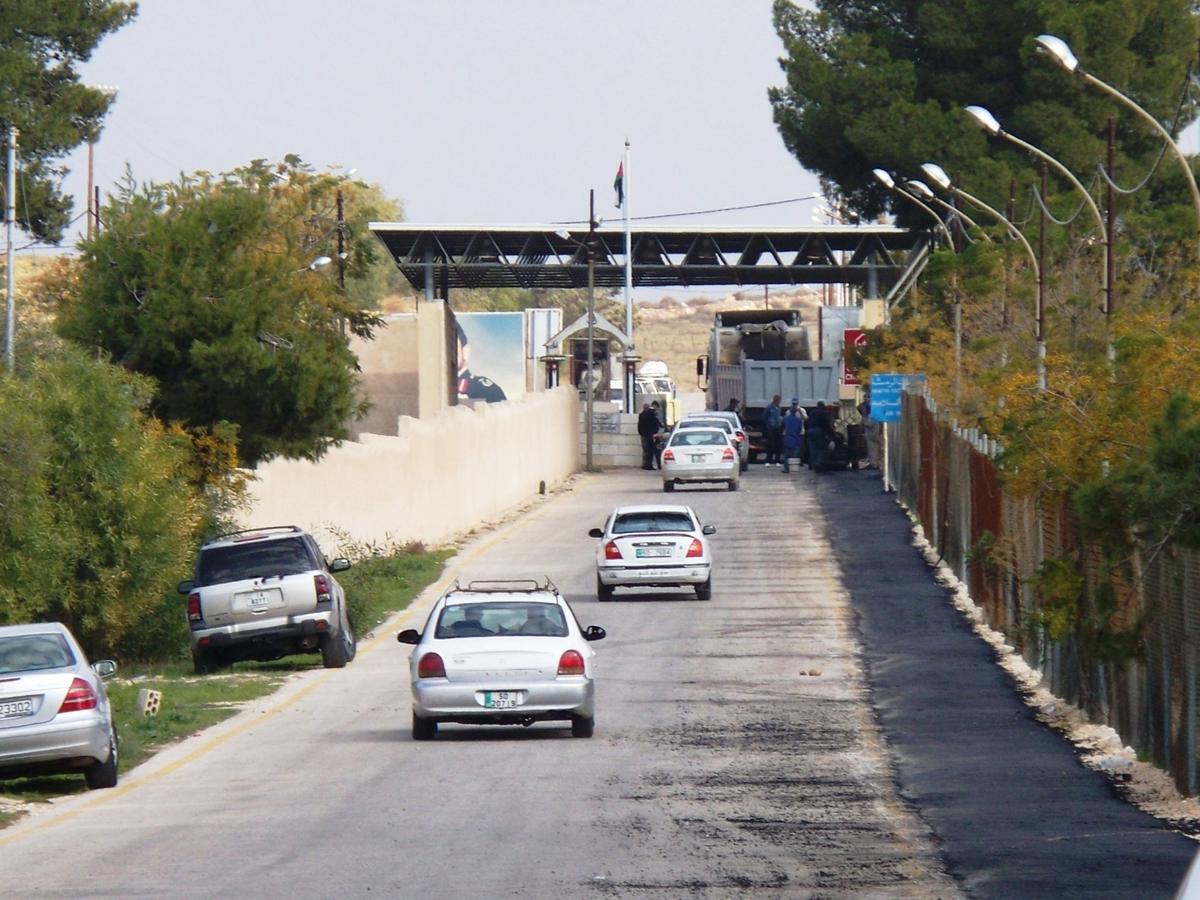
Syria's border and customs authority then closed the Nassib crossing, known as Jaber on the Jordanian side, suspending all passenger and commercial traffic in both directions. It is the only crossing for passengers and goods between the two countries. Syria said it had opened direct channels of communication with Jordanian officials and launched an investigation.
Earlier on Monday, Jordanian security forces arrested two brothers and their brother-in-law suspected of involvement in the church attack, after a shootout in a village in the south of the country. King Abdullah II had promised the harshest penalties for those responsible.