Israel election count complete: Likud wins 27 seats, but no bloc reaches a majority
Israel's Central Elections Committee said on Thursday that it had finished counting every ballot from Tuesday's election for the 26th Knesset, including the double-envelope votes of soldiers and diplomats. Benjamin Netanyahu's Likud is the largest party with 27 of 120 seats, but his coalition has only 53, the opposition 'change bloc' 48 and the Arab parties 19, so no camp has the 61 seats needed to govern on its own.
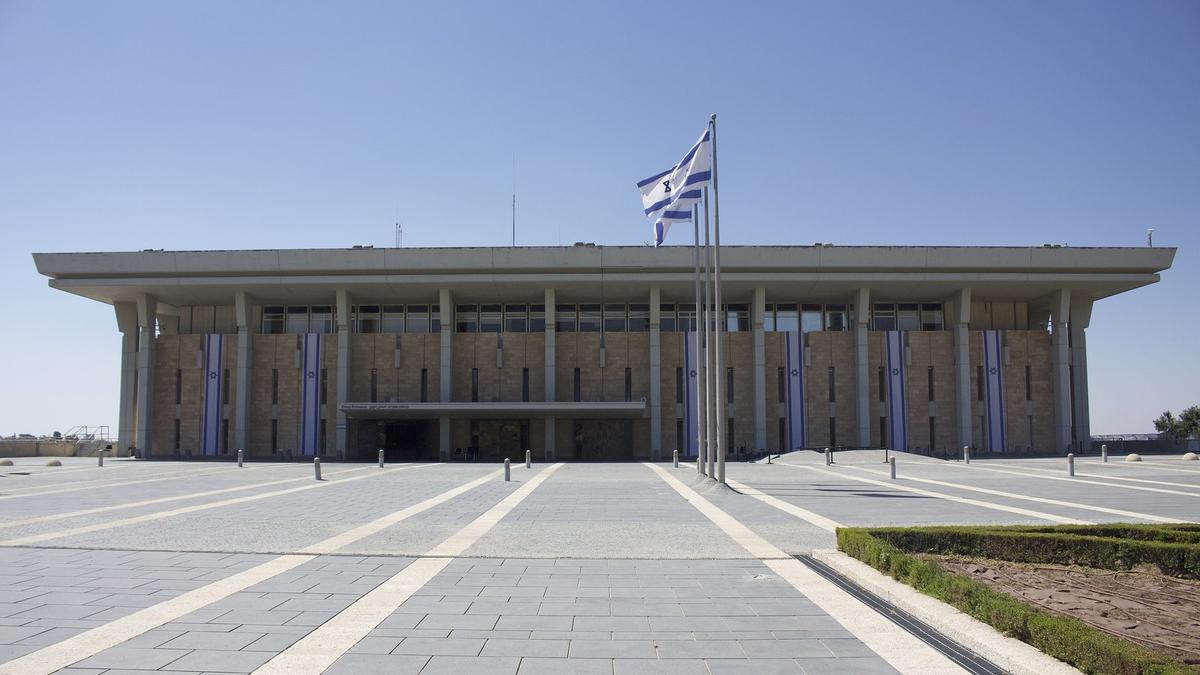
Israel's Central Elections Committee announced on Thursday, 29 October, that the count of Tuesday's election for the 26th Knesset was complete, including the special double-envelope ballots cast at army posts, diplomatic missions and by others who could not vote at their usual polling station. According to the committee's figures, reported by Globes, 5,589,836 votes were cast, of which 5,564,764 were valid and 25,072 invalid.
Prime Minister Benjamin Netanyahu's Likud remains the largest party with 27 of the 120 seats. Former army chief Gadi Eisenkot's Yashar comes second with 21, followed by Naftali Bennett's Together (Beyahad) with 12, the Joint List with 11, Ra'am and the Democrats with 8 each, Yisrael Beiteinu, United Torah Judaism and Otzma Yehudit with 7 each, and Shas and Religious Zionism with 6 each.
That leaves the outgoing coalition of Likud, Shas, United Torah Judaism, Otzma Yehudit and Religious Zionism with 53 seats, eight short of a majority. The opposition 'change bloc' of Yashar, Together, the Democrats and Yisrael Beiteinu has 48. The two Arab-led lists, the Joint List and Ra'am, together hold 19 seats, up from 10 in the outgoing Knesset. Adding the change bloc and the Arab parties gives 67 seats, but that is only arithmetic: no such alliance has been agreed.
The last ballots counted, including the double envelopes, did not change the balance between the blocs. The final tally does confirm Likud's gain of a seat at the expense of its ultra-Orthodox partner Shas, first seen as the count passed 97%, leaving Shas with six seats, its weakest result since 1992, according to Globes. The Reservists list of Yoaz Hendel and Yaron Zelekha, which had hoped the soldiers' votes would lift it into parliament, stayed below the 3.25% electoral threshold, about 181,000 valid votes, with roughly 2.7% of the vote. Ofer Winter's Amcha Yisrael was also left out.
The figures are not yet absolutely final. The committee said the official results will be published on Wednesday, 4 November, after further checks on the integrity of the vote. The count was overshadowed by the committee asking the Shin Bet security service to investigate suspected foreign interference in the election; Netanyahu and other right-wing figures have claimed the Arab parties' gains were partly due to fraud, a charge Arab leaders reject. Qatar and Turkey have denied interfering.
Under Israel's Basic Law, President Isaac Herzog must consult all the elected lists and, within seven days of the official results, ask one Knesset member to try to form a government, by 11 November at the latest. That candidate will have 28 days, which can be extended by up to 14 more. Eisenkot met Democrats leader Yair Golan on Thursday, while Golan also met opposition leader Yair Lapid to coordinate their next steps.