Summer 2026 heat killed over 50,000 in Europe's cities, the deadliest on record
A study in Nature Health estimates more than 50,000 heat deaths in 854 cities, about 32,000 of them linked to climate change; people over 85 accounted for roughly half.
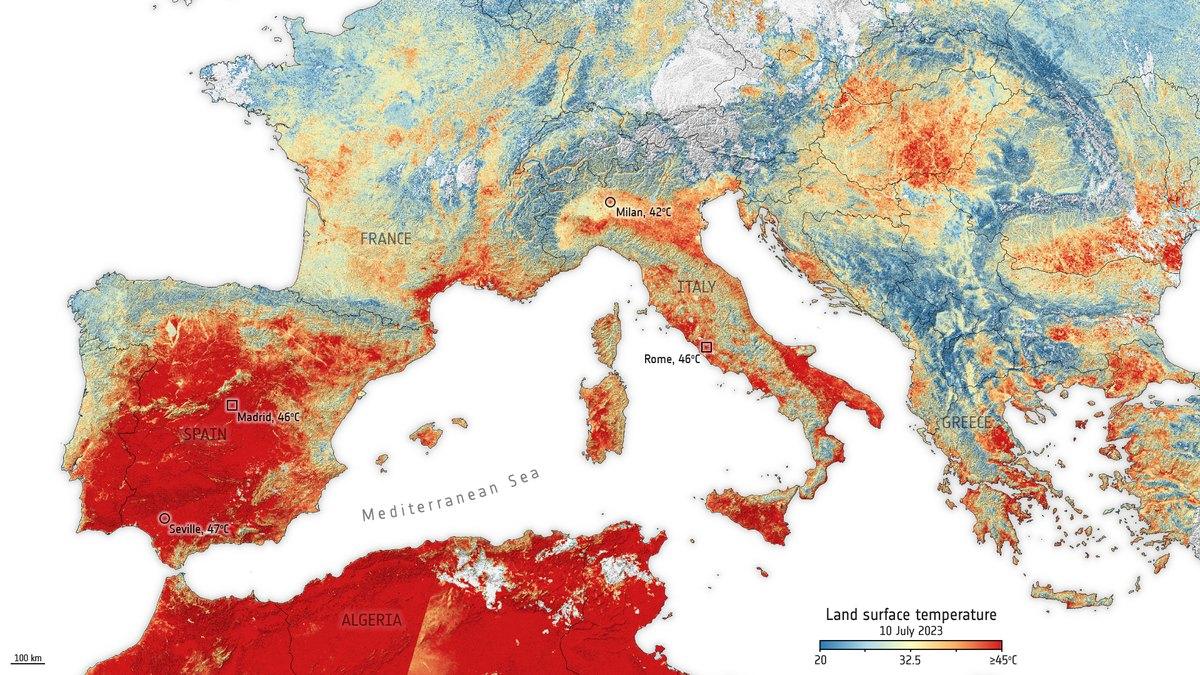
This summer's heat was probably the deadliest in Europe for at least a century, according to a study published in the journal Nature Health. Researchers estimate that more than 50,000 people died from heat in 854 cities across the European Union, the United Kingdom, Norway and Switzerland, places that together are home to about 40% of the population of those 30 countries. Because towns and rural areas outside the sample were not covered, the real toll is likely higher.
About 32,000 of the deaths can be attributed to the extra warming caused by climate change. To reach that figure, the team combined weather records with statistical models linking temperature and mortality, then compared the real summer with a theoretical one in which global warming had not happened.
People aged 85 and over made up roughly half of the estimated deaths, but younger people were also affected: about 6,000 victims were under 65, and more than 800 excess deaths were estimated among 20 to 44-year-olds. Almost a third of all heat-related deaths came at the end of June, when several temperature records fell in a month not historically associated with European heatwaves.
Before 2026, the worst summer tolls in comparable estimates were about 29,000 deaths in 2022 and 28,000 in 2003. "Summer 2026 is probably the deadliest in the period analysed in terms of the effects of heat on the population," said study lead Clair Barnes of Imperial College London. An earlier study of the same cities estimated around 430,000 heat-related deaths between 2000 and 2025, about half of them linked to climate change.