Too many yachts, too few berths: why marinas have become a hot investment
The world's fleet of yachts is growing much faster than the number of places to moor them, and the shortage is pushing up berth prices and drawing big investors into marinas, the Financial Times reports. McKinsey estimates about 210,000 yachts longer than 12 metres compete for about 160,000 berths.
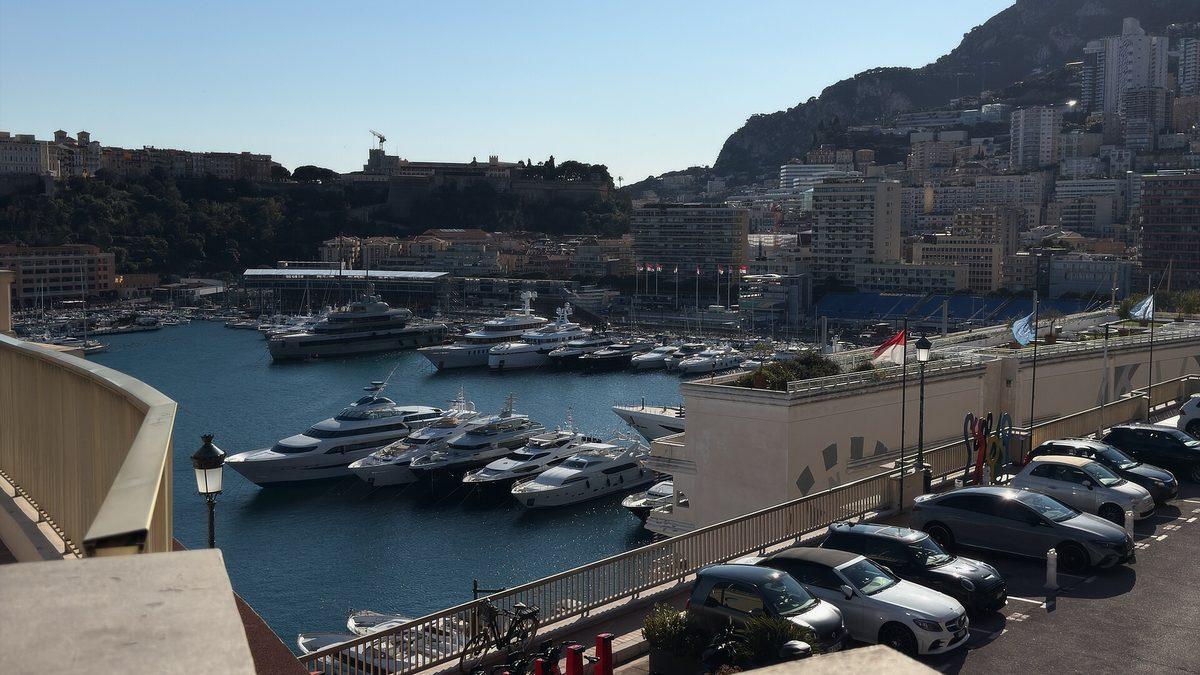
Owning a superyacht no longer guarantees a place to park it. In a feature published on 24 October, the Financial Times describes how a shortage of berths for the world's growing fleet of luxury vessels is driving up prices and turning marinas into a hot new asset class for investors.
The gap is backed by figures from the consultancy McKinsey, which estimates that about 210,000 yachts longer than 12 metres, too big to be easily stored on land, compete for roughly 160,000 suitable marina berths. About 6,500 new yachts are delivered every year, while a new marina typically takes five to ten years to build and adds only around 300 berths. McKinsey says about 70% of yachting activity is concentrated in the Mediterranean, where many marinas have waiting lists of a year or more, even though around 65% of the world's roughly 6,000 coastal marinas are in the United States.
The FT opens at Gouvia marina on Corfu, run by D-Marin, whose chief executive Oliver Dörschuck told the paper the company normally has "three to four boats inquiring for one berth". Regulation, environmental limits and a lack of suitable sites make new ports hard to build. A consultant who represents boat owners told the FT that some berthing fees have doubled in ten years and that the bigger problem now is getting the berth you want at all.
Investors have noticed. In July, private equity firm CVC agreed to sell D-Marin, which operates 28 marinas in nine countries with more than 14,300 berths, including over 1,000 for superyachts, to the French investment group InfraVia. The price was not officially disclosed; the FT and Forbes Spain put it at more than €1bn. In the United States, Blackstone Infrastructure completed its $5.65bn purchase of Safe Harbor Marinas, the country's largest marina operator, in April 2025, and asset manager Harrison Street has just filed to raise a marina-focused fund, Bisnow reported.
McKinsey values the marina industry at about $15bn and expects it to grow by around 8% a year to 2030. "You put all this together and it's turning marinas into an infrastructure asset class; people didn't think of it that way 10 or 20 years ago," John Nery, managing partner at Squircle Capital, told the FT. Industry executives quoted by the paper expect more acquisitions.