European gas price hits €100 per megawatt-hour for the first time since the 2022 energy crisis
Europe's benchmark gas price briefly touched €100 per megawatt-hour on Wednesday, its highest since December 2022, as the Middle East conflict squeezes supplies of liquefied natural gas and storage sites are less full than last year ahead of winter.
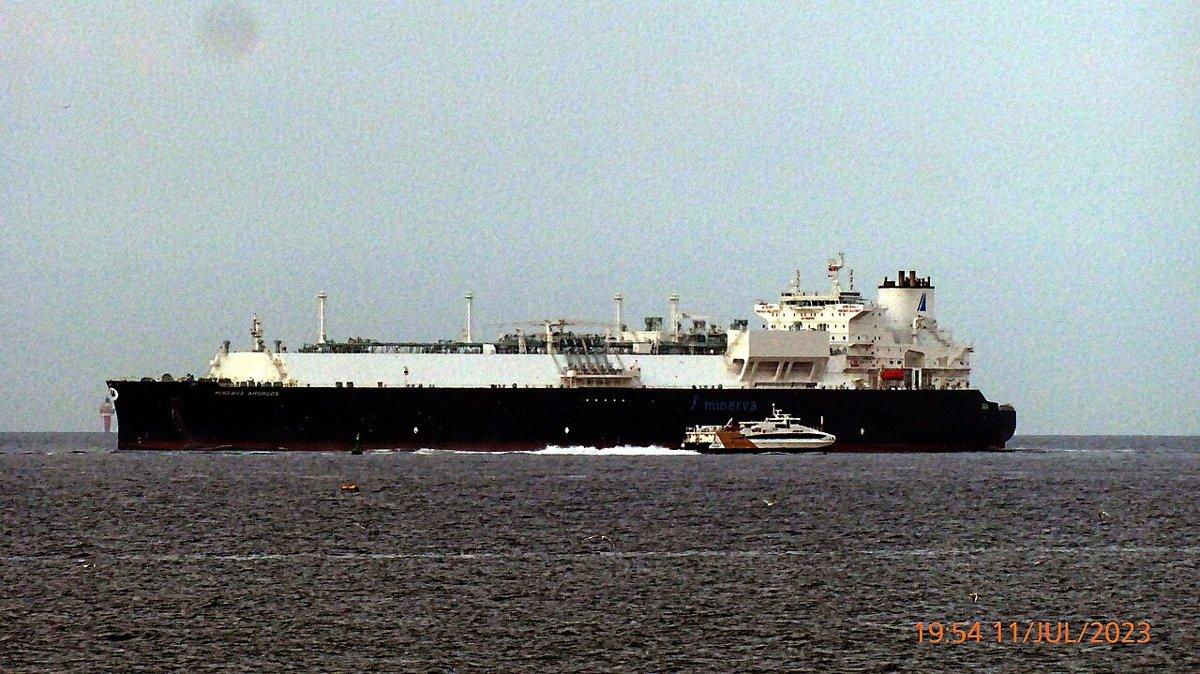
The front-month contract at the Dutch TTF hub, Europe's reference price for natural gas, rose about 4% on Wednesday, 28 October, and briefly reached €100 per megawatt-hour, Reuters reported. It is the first time since December 2022 that the price has hit that level, and gas now costs roughly three times as much as before the war with Iran began.
The conflict in the Middle East has cut global supplies of liquefied natural gas (LNG) and set buyers around the world competing for cargoes. Europe's position is weaker because of low stocks: EU storage sites are about 75% full and Germany's about 60%, well below last year. According to Rystad Energy, European LNG imports in the week to 9 October were 30% lower than a year earlier. Analysts expect at least another year of high prices, even if the war ends and the winter is mild.
Electricity is following gas upwards. German power for delivery next year rose to €159.30 per megawatt-hour, the highest since June 2023, while the French equivalent reached €122.50, close to a two-year high. Energy-hungry industries such as chemicals, fertilisers and steel are among the hardest hit, and some companies have already cut production because they buy gas close to wholesale prices.
Households will feel it later, mostly in 2027, because retail contracts adjust with a delay. In Germany, gas offers for new customers are already 55% more expensive than at the start of the year, and in Britain energy bills are expected to rise again in January. The head of Norway's Equinor warned that a hard cold spell could send prices sharply higher this winter.
Prices remain far below the record of around €340 per megawatt-hour set in August 2022, but the return to €100 is a heavy burden for Europe's economy. According to the European Commission, EU governments have already spent €17.9 billion in 2026 to soften the impact of higher oil and gas prices on people and businesses.