Google's Project Suncatcher satellite runs an AI model on its own chips in orbit and sends its first answer to Earth
Google says its first Project Suncatcher satellite has successfully booted its Tensor Processing Units in orbit and run the Gemma 4 model on board, sending back a haiku about being in space. The test is an early step in an experimental project to find out whether data centres for artificial intelligence could one day be built in space and powered by the Sun.
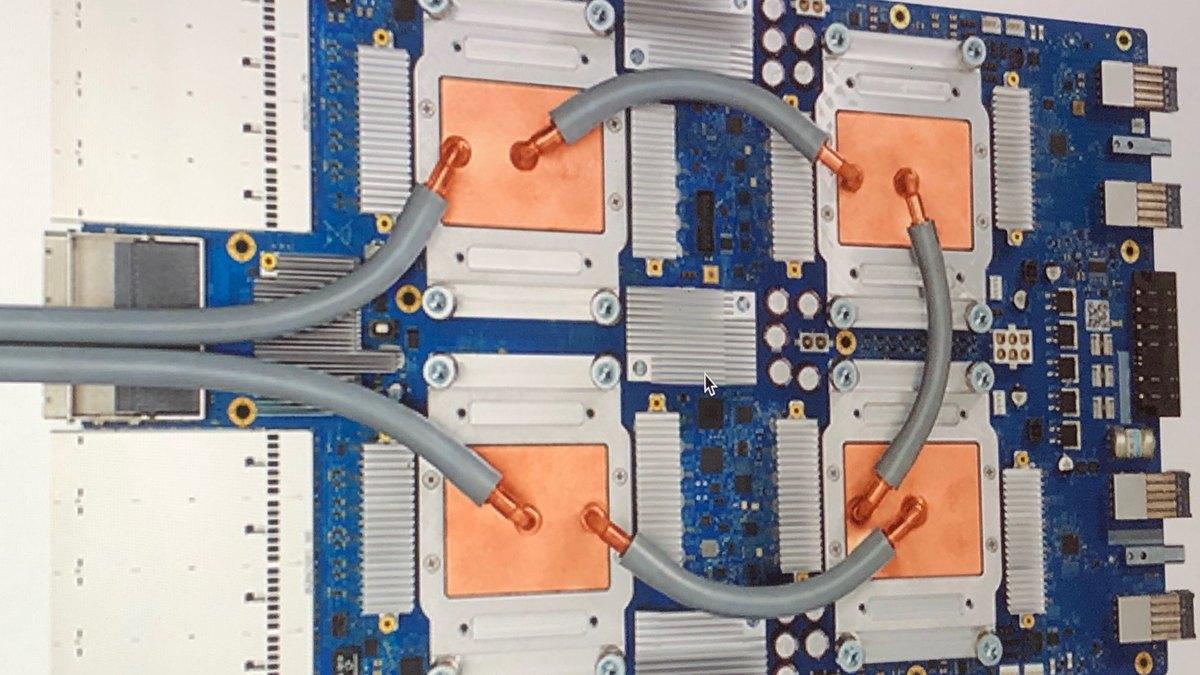
In a blog post on Friday, Google said the satellite, launched earlier this month, carried out the prompt and also answered other space-themed limerick and telemetry requests. TPUs are the custom chips Google designs to train and run its AI models in its data centres on Earth. The idea behind Suncatcher is that satellites in orbit get almost constant sunlight, which could one day power computing without drawing on electricity grids and water supplies on the ground.
The next phase will check how the chips cope with heat and radiation. "Verifying our TPUs can reliably execute workloads in space paves the way for our next milestone of twin interconnected satellites in 2027," Google said. Other companies are chasing the same goal: TechCrunch reported this week that startup Satlyt has also taken another step towards using satellites as data centres. The test comes as investors grow nervous about the scale of spending on AI infrastructure on the ground.