World Bank says 'small AI' that runs on a phone could speed up development in poorer countries
The World Bank is urging developing countries to build 'small AI' — specialised models that run on a mobile phone, in a local language and with low connectivity — arguing that development which might have taken centuries could happen within decades if the technology is adapted to local needs, its chief knowledge officer said in Bangkok.
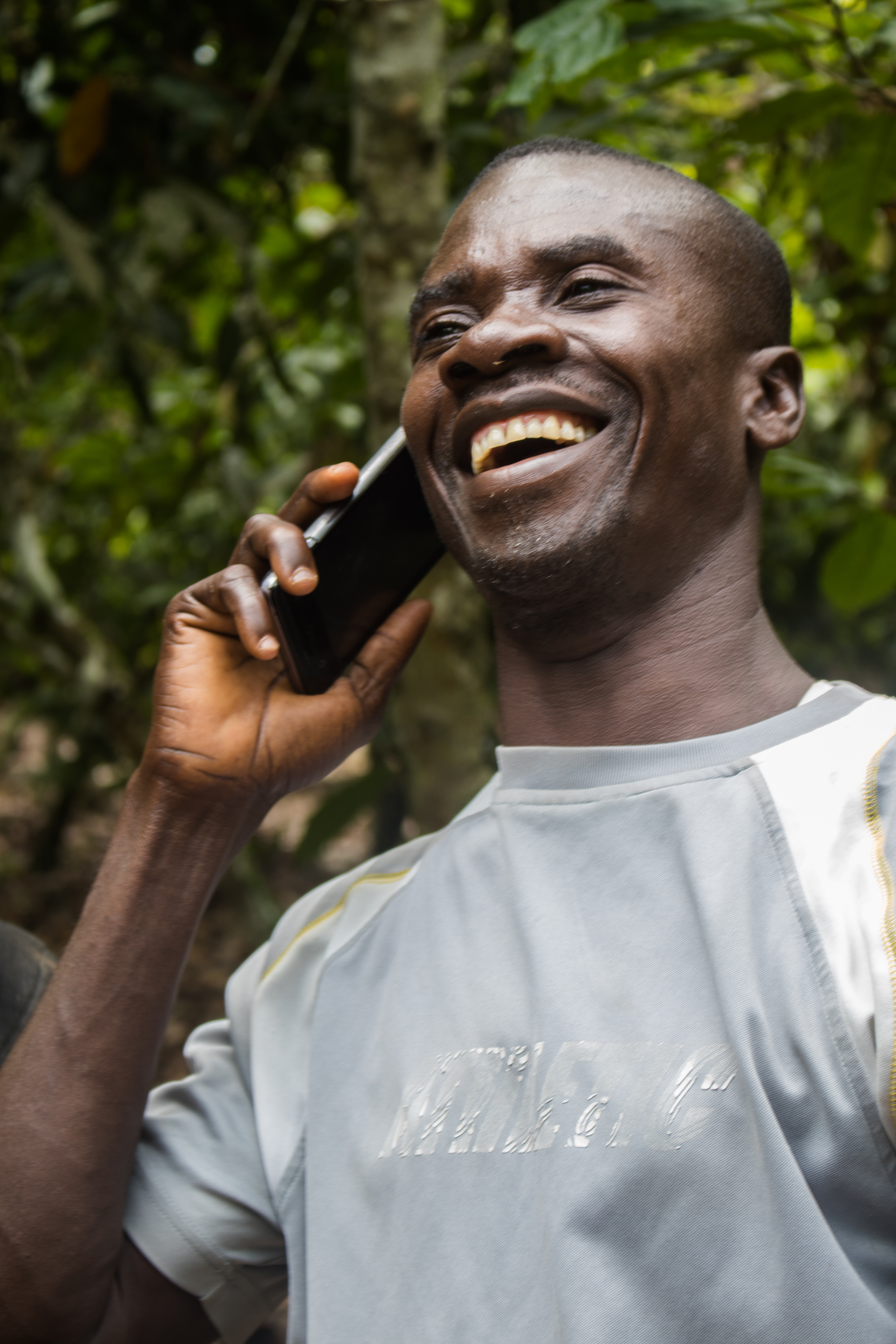
The most useful artificial intelligence for much of the world may not be the biggest model in a data centre. The World Bank is urging developing countries to kickstart 'small AI': specialised models trained on narrower datasets for a specific purpose, designed to run on a mobile phone, in the local language, with low connectivity.
Paschal Donohoe, the bank's chief knowledge officer and a former Irish finance minister, made the case at the World Bank and IMF annual meetings in Bangkok. His example was practical rather than futuristic: Indian farmers in the bank's AgriConnect scheme who need soil analysis in their own language, in places where there will never be enough scientists and agricultural experts to advise every small farm in person. A phone-based model that works locally is meant to fill exactly that gap.
Donohoe argued that AI could compress development timelines — that progress which might have taken centuries could happen within decades — but only if models are adapted to local needs rather than imported unchanged from Silicon Valley, where large firms are focused on ever more sophisticated consumer products. He suggested such tools could emerge from collaboration between the World Bank, governments and the private sector.
The conditions for that to work are not mainly about software. IMF managing director Kristalina Georgieva, speaking on a panel about the technology, listed the preconditions: access to electricity, digital infrastructure, people prepared to adopt the tools, and governments able to offer some protection against bad actors. The World Bank's own annual world development report, published in August, pointed out that almost a third of rural schools in sub-Saharan Africa lacked electricity and more than two-thirds had no consistent internet connection.
Georgieva also gave the warning that sits underneath the optimism: over time, around 40% of jobs worldwide are likely to be augmented or eliminated by AI, with the impact particularly acute for young people entering routine, repetitive first jobs. Donohoe, meanwhile, said the bank had mobilised $120bn of private capital in the past year using guarantees and other instruments, at a time when aid budgets in countries including the US and UK are being cut — a reminder that small AI is being proposed as a development tool, not a substitute for schools, power and jobs policy.
Source: The Guardian