Forgotten apples return: Austria's Spar tests two 19th-century varieties in shops
Austrian retailer Spar and produce distributor Frutura are trialling two heritage apples, the Ilzer Rosenapfel from Styria (around 1840) and the Falchs Gulderling from South Tyrol (1870s), grown in a 2,150-tree experimental orchard. The first fruit, picked this week, goes to a test supermarket in Vienna next month.
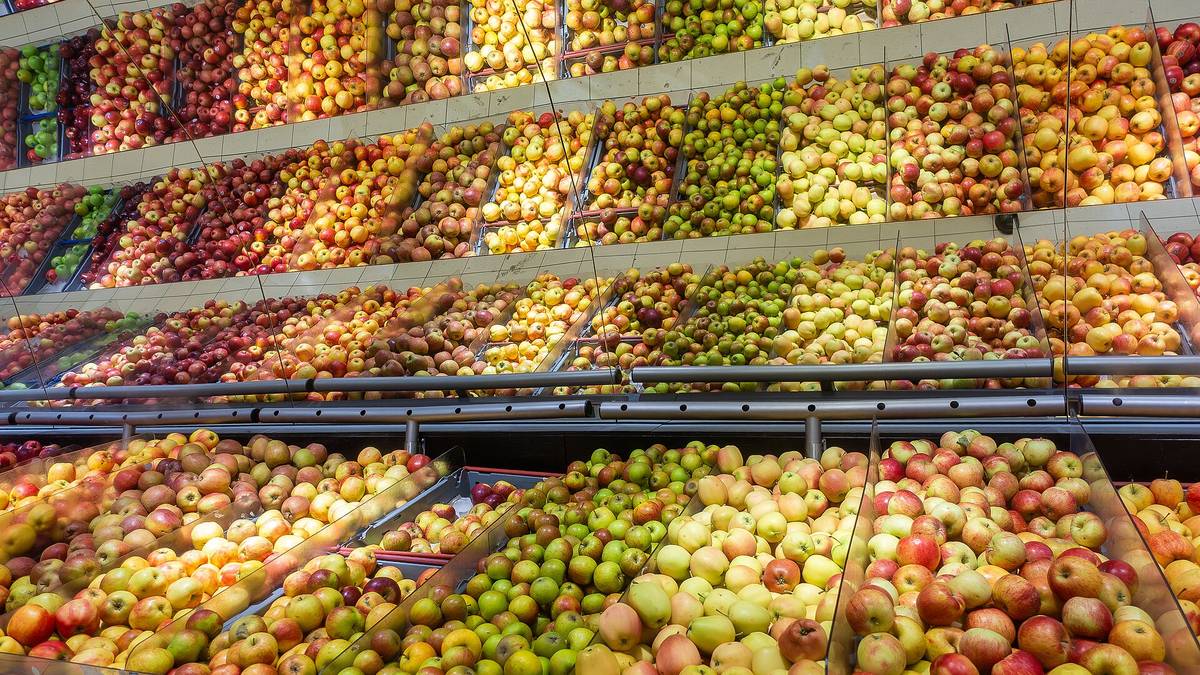
Austria grows around 2,000 apple varieties, yet only about ten of them make it onto supermarket shelves. One of the country's biggest retail chains now wants to change that ratio, at least a little, by bringing back apples that people ate more than a century ago.
Spar is working with the produce distributor Frutura on a pilot scheme for two rare varieties: the Ilzer Rosenapfel (Ilzer rose apple), which dates from about 1840 in the southern state of Styria, and the Falchs Gulderling, identified in South Tyrol in the 1870s. Experts from the Austrian seed-conservation NGO Arche Noah (Noah's Ark) helped choose heritage apples that could cope with modern, large-scale growing.
An experimental orchard in Styria now holds 2,150 trees. The first apples were picked this week for tasting; next month they will go to a trial supermarket in Vienna and to regional schools and daycare centres. The project will measure taste, yield, disease resistance and shelf life to see whether the old varieties can survive in commercial fruit growing today. "If we succeed, we would like to offer these special varieties throughout the region," said Spar Austria's deputy chair, Markus Kaser.
Frutura's co-managing director, Katrin Hohensinner-Häupl, said first impressions were good: the ripe Gulderling is unusually large and deep red, while the Ilzer Rosenapfel is smaller and paler. As for flavour, she said, "they recall apples from childhood."
The Austrian trial is part of a wider European revival of heirloom fruit. Enthusiasts praise old varieties for notes of raspberry, clove, nut or lemon that sweeter modern apples have lost. Pomologists also say some old varieties carry more polyphenols in their skin, and researchers at Berlin's Charité hospital have found that many people with an apple allergy can tolerate certain heirloom apples rich in these compounds. For cooks, that means more choice: tarter, firmer old apples have long been prized for baking, sauces and strudel.